
Krolmap, an engineering company based in Aragón, is planning a 225MW data centre campus in Belchite, in the province of Zaragoza, designed to run on its own power supply rather than a conventional grid connection. The project, with a reported investment of €1.5 billion, is at planning stage.
What is planned
The proposal was first reported by the regional newspaper Heraldo de Aragón on 18 October and later covered by DatacenterDynamics in Spanish and English. The campus would occupy around 25 hectares in the La Legua industrial estate in Belchite and comprise six independent buildings.
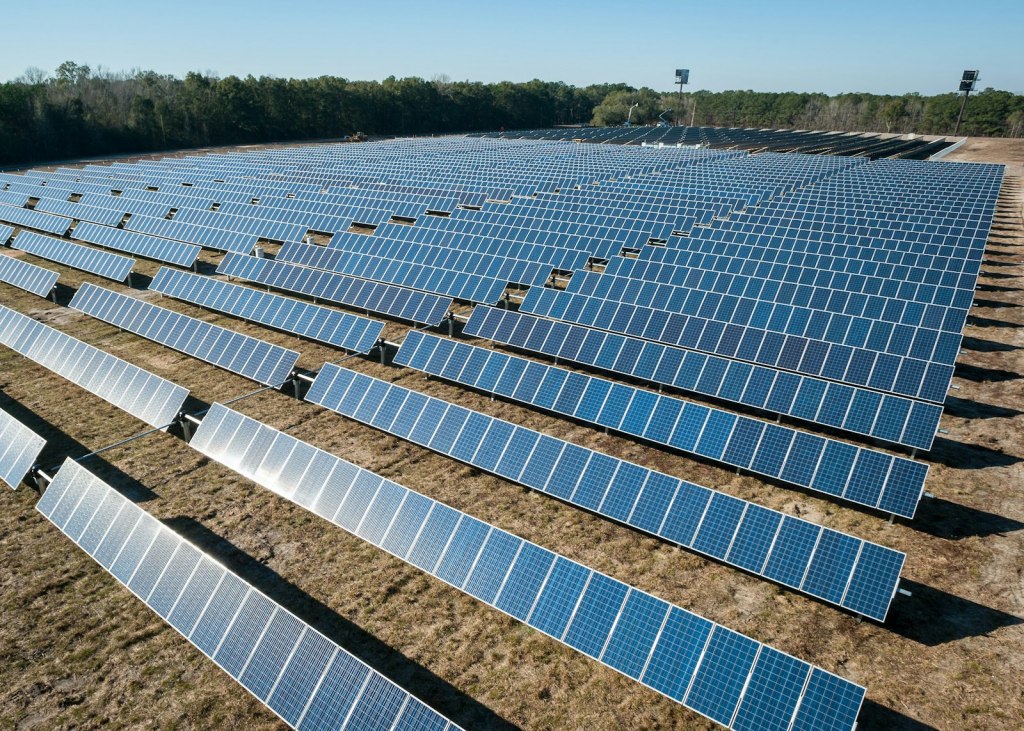
Instead of drawing its full demand from the transmission network, the site is designed around a self-consumption model. According to the reports, it would combine renewable generation, battery storage to balance supply and demand, and cogeneration as back-up when renewables and batteries cannot cover the load. The aim is continuous, round-the-clock operation.
Key numbers and open questions
- Capacity: 225MW across six buildings
- Site: about 25 hectares in Belchite, Zaragoza
- Reported investment: €1.5 billion
Much remains undisclosed. The published reports do not specify which renewable technologies would be used or their capacity, the size and duration of the battery system, the fuel for the cogeneration plant, a construction timetable or the status of permits. DCD notes that the headline power figure alone does not reveal the campus’s IT capacity or annual consumption, and that technical viability will depend on details not yet released.
Krolmap is also developing a separate data centre campus in Villanueva de Gállego, also in Aragón, previously reported at 150MW.
Context: grid scarcity in Spain
Aragón has become one of southern Europe’s busiest data centre regions, attracting multi-gigawatt plans from hyperscalers and investors. Securing grid access, however, has become a bottleneck for new large loads across Spain. DCD frames Krolmap’s approach as an alternative to the standard model of connecting large digital loads to the grid, while pointing out that it shifts responsibility for sizing and operating the energy system onto the developer.
Spain is also finalising a royal decree that, in its current draft, would require larger data centres to cover most of their consumption with new renewable generation. How self-supplied sites with on-site cogeneration would be treated under the final rules is not yet clear.
Why it matters for modular and edge in Europe
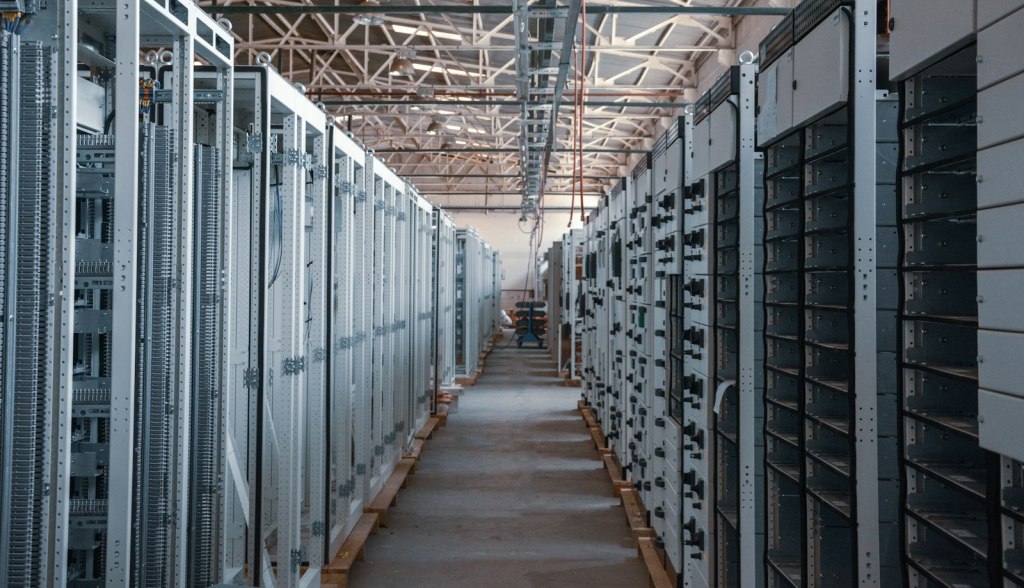
Off-grid and behind-the-meter power has so far been more common at the small end of the market, where containerised units are paired with solar, batteries or generators at remote or temporary sites. A 225MW campus taking a similar route would test whether the model scales, and would rely heavily on the kinds of factory-built components – battery enclosures, prefabricated power skids and modular electrical rooms – that suppliers to the modular sector produce.
If projects like Belchite progress, developers facing long grid queues elsewhere in Europe may look more closely at building generation and storage alongside compute. For modular data centre vendors, that points to rising demand for integrated power-and-IT packages rather than standalone IT modules.


Leave a Reply