
Portugal’s government is finalising legislation that would require data centres to run on renewable electricity and to avoid competing with households and businesses for fresh water. Environment Minister Maria da Graça Carvalho outlined the plans at a parliamentary hearing in Lisbon on 3 November, as more than 2.6GW of data centre capacity is under development in the country.
What the draft rules would require
According to Reuters, the minister said the decree would set “stringent requirements on water use” and a “very rigorous” environmental review. The main elements described so far are:
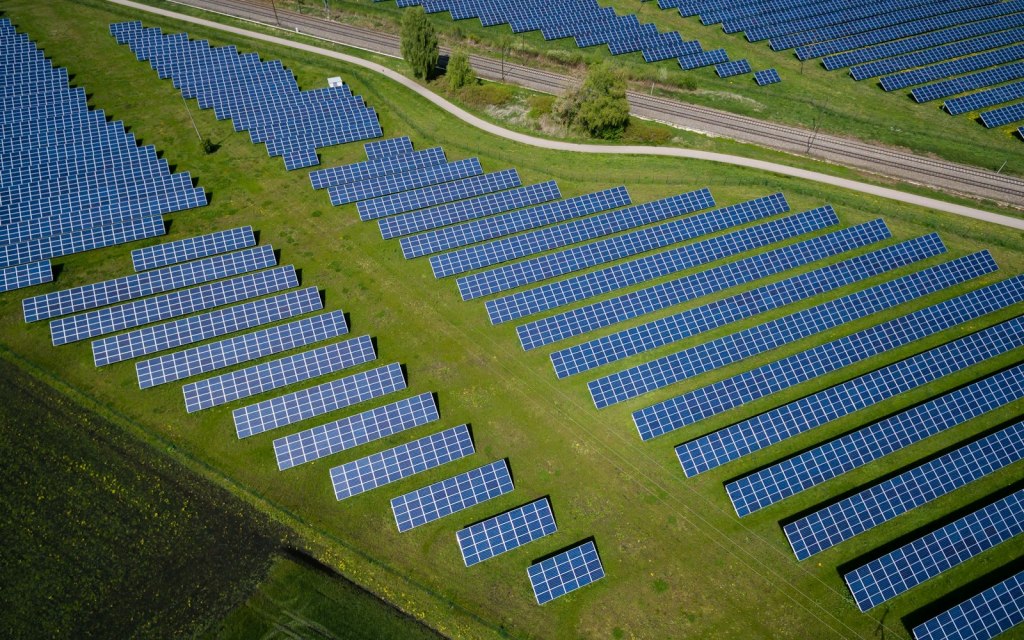
- Renewable power: data centres would have to operate on renewable electricity, which operators could buy from utilities. The minister pointed to Portugal’s solar, wind and hydropower resources.
- Water and cooling: projects would need either cooling technology that does not use fresh water, or a water solution that does not conflict with supplies for the population and other economic activities.
- Environmental assessment: a tougher review process for new projects.
The government has not yet published the text, and details such as size thresholds, efficiency targets, penalties and the date the rules would take effect have not been disclosed.
Context: a fast-growing market
The largest project in the pipeline is Start Campus in Sines, planned at 1.2GW, which is linked to Microsoft AI infrastructure investment. One of its six planned buildings is operating; Reuters reports it uses renewable energy and seawater cooling, an approach that already fits the direction of the proposed rules.
Portugal starts from a strong position on clean power. DatacenterDynamics, citing European Commission data, reports that more than 80% of the country’s electricity came from renewable sources in 2025. Local opposition to data centres has nevertheless grown, mirroring debates over water and electricity use elsewhere in Europe.
The move follows neighbouring Spain, whose draft data centre decree sets renewable sourcing requirements and was revised in October to apply only to facilities of 10MW and above. Portugal’s minister did not say whether a similar size threshold would apply.
Why it matters for modular and edge in Europe
If the final rules apply to all facilities regardless of size, they would affect small regional, telecom and edge sites as well as hyperscale campuses. Smaller operators often lack the scale to sign long-term renewable power purchase agreements, so how the decree treats utility green tariffs and certificates will matter for their costs.
The water provisions could favour prefabricated and containerised designs built around closed-loop liquid cooling or dry coolers, which use little or no fresh water. Iberian suppliers and integrators may find that waterless cooling moves from a selling point to a licensing requirement. The rules also add to a growing patchwork of national data centre regulation in Europe, alongside Spain’s decree and EU energy-reporting obligations, which modular vendors deploying across borders will need to track country by country.




Leave a Reply