
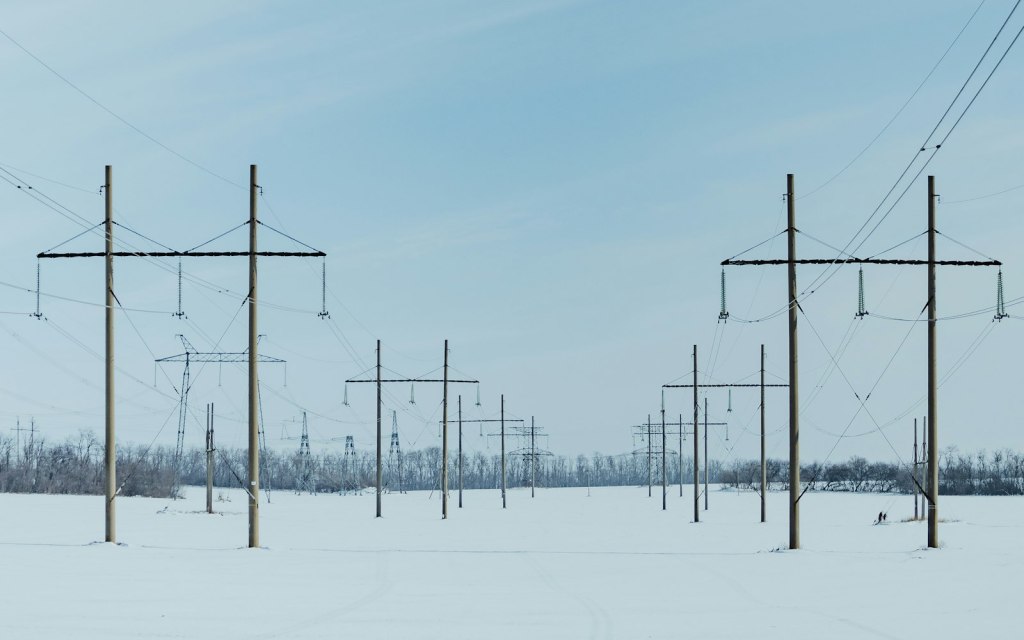
The European Commission is preparing a voluntary model for agreements between national authorities, data centre operators and energy companies to speed up grid connections for new facilities, according to a leaked draft reported by Euronews on 26 November. The framework stops short of binding environmental obligations, leaving commitments on clean power and heat reuse largely to member states and individual projects.
What the draft proposes
The document is titled “EU model for tripartite agreements on the sustainable integration of data centres into the energy system”. It describes its measures as a “toolbox rather than a single integrated package”, and states that taking part in local agreements would be voluntary and would not create legal obligations for signatories.
For governments, the draft suggests designating areas for new data centres based on available grid capacity, environmental factors and opportunities to reuse waste heat. Authorities would be encouraged to plan electricity, heating and digital infrastructure together, simplify connection procedures and stop speculative projects from tying up scarce capacity, for example by checking permits, financing and technical readiness before granting grid access.
Operators, in turn, would share electricity demand forecasts and project updates with grid operators and consider flexible connection agreements, which offer faster access in exchange for limiting consumption at certain times. They would also be encouraged to invest in clean generation, sign long-term power purchase agreements, shift computing workloads to periods when power is more plentiful and publish heat-reuse readiness plans.
The key numbers
- The draft estimates installed EU data centre capacity at about 12 GW in 2025, against International Energy Agency estimates of around 52 GW in the US and 28 GW in China.
- Data centres already account for about 2.5% of EU electricity consumption, according to the draft.
- The EU aims to triple data centre capacity within five to seven years.
- The model was developed with input from authorities in 18 member states and 14 industry associations.
- The first local agreements could start in 2027, and the Commission would monitor progress annually until at least 2035.
Context and criticism
The agreements could run alongside data centre acceleration zones under the proposed Cloud and AI Development Act. The draft does not require each new facility to fund enough additional renewable generation to cover its own demand; instead it asks member states to explore time-matching clean supply with data centre consumption, leaving the details to national authorities. Where no heat-recovery deal can be reached, operators could proceed with sites designed to export heat later.
Separately, the Commission is consulting on binding minimum sustainability standards for data centres until 14 December, with a proposal planned for 2027. MEP Benedetta Scuderi told Euronews that rapid growth in demand risked straining power systems and raising prices, and argued that data centres should be required to produce renewable energy.
The document is a draft and its content may change before any formal publication.
Why it matters for modular and edge in Europe
Flexible connection agreements and readiness checks reward projects that can energise in stages and show credible delivery plans. That suits prefabricated and modular builds, which typically add capacity in blocks rather than waiting for a full campus connection. Screening out speculative reservations could also free headroom in congested queues where smaller regional and edge projects compete with hyperscale requests.
Heat-reuse planning is another point of relevance: smaller sites located close to towns are often easier to link to district heating networks. Because the commitments would be voluntary, however, the practical effect will depend on how many member states and grid operators adopt the model, and how quickly.



Leave a Reply